Book Printing
High-quality book printing with the flexibility to produce anything from short digital runs to larger quantities, backed by experienced people who know print and binding inside out. Get a quote todayBook Printing Made Easy
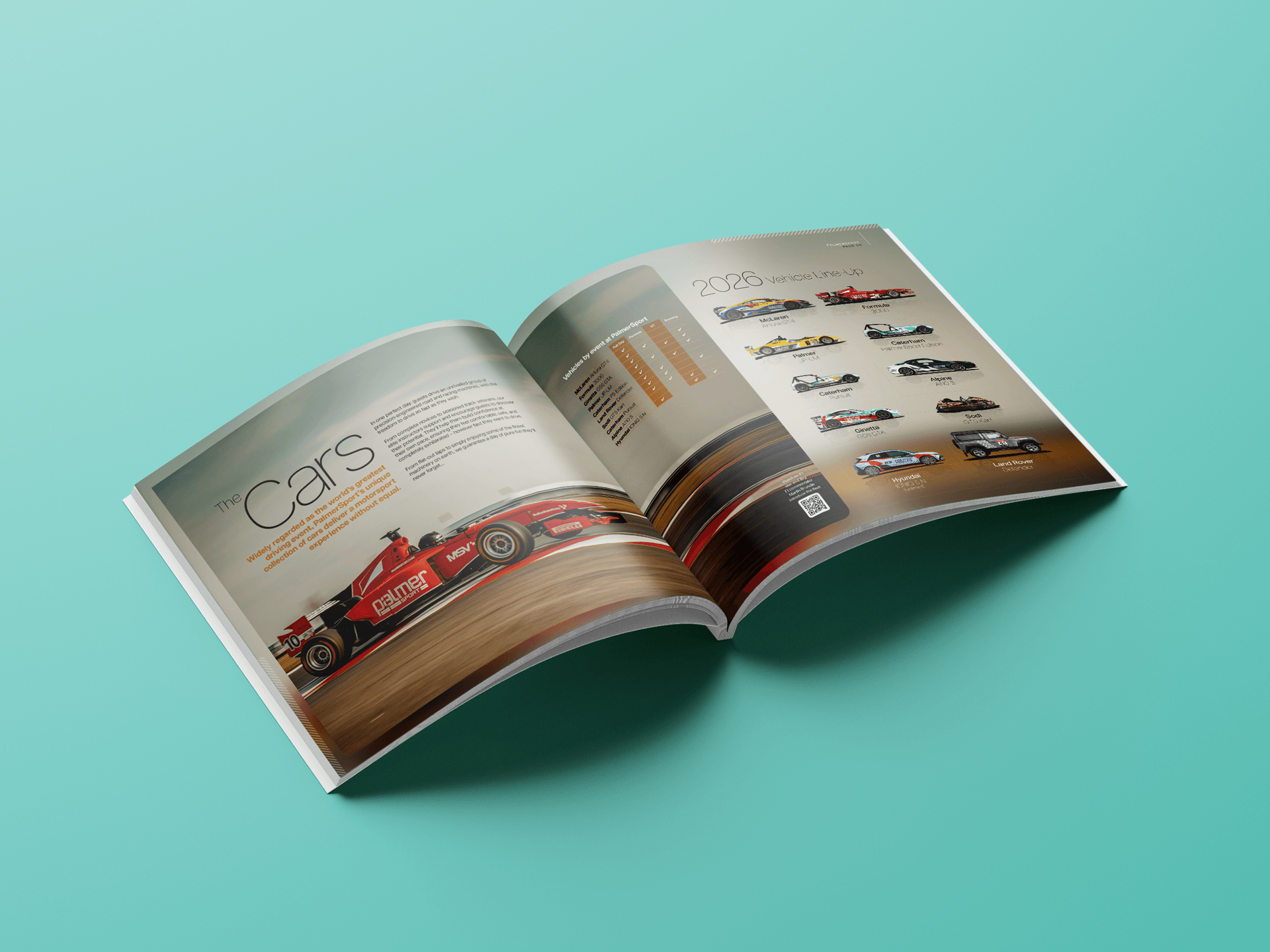
There are a lot of decisions behind a well-made book. Size, page count, paper, binding and cover specification all affect how it looks, feels, opens and ultimately how much it costs to produce.
At Bishops Printers, we print and bind books for publishers, businesses, charities, educational organisations and trade print customers across the UK.
Our combination of HP Indigo digital printing and Heidelberg litho presses means we can match the production method to the job, while extensive finishing and binding equipment gives us greater control over quality, cost and turnaround times.
If you already know exactly what you need, we’ll print it. If you don’t, our team will help you work it out.


Binding Is One of Our Strengths
A well made book needs to withstand repeated use as well as look good.
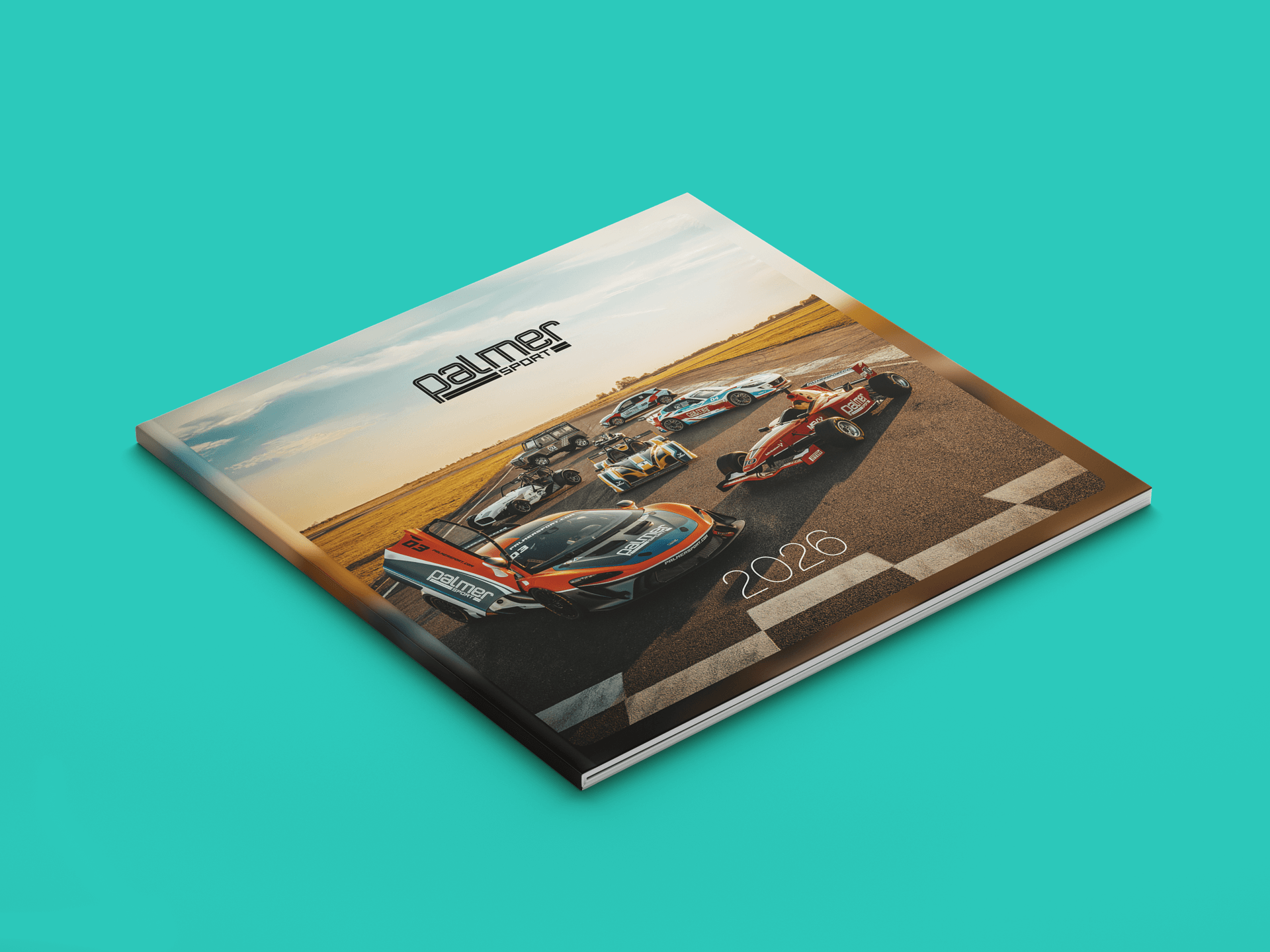
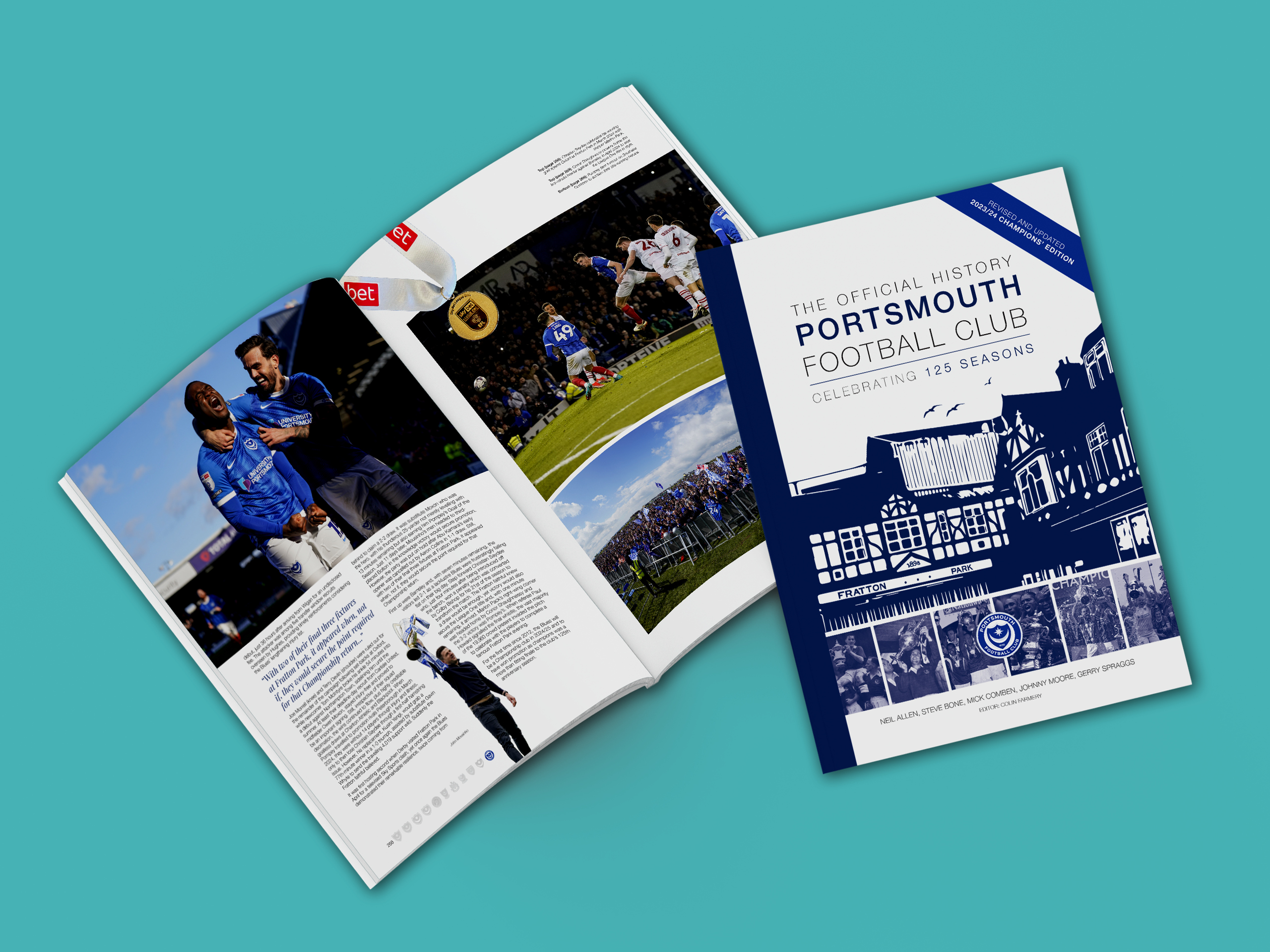
Perfect binding is one of our specialist areas. We operate two very different perfect binding lines: a Horizon BQ-500 iCE suited to shorter digital runs and a 45-metre, 16-station Kolbus KM 610.C built for high-volume production.
That gives us the flexibility to produce professionally bound books in quantities ranging from very small runs to thousands of copies.
The equipment is only part of it. It takes around 1,920 hours for a member of our perfect binding team to develop the knowledge and skills required to meet Bishops’ binding standards. Paper bulk, spine preparation, adhesive and machine settings all influence the finished book, and experienced operators know how to bring those elements together.
Case binding is also an option, but while we will expertly print the text pages it is one of the few processes we outsource due to its highly specialised nature.
Book Printing Made Simple
From artwork and paper selection through to printing, binding, packing and distribution, we can take care of as much of the production process as you need.

The Right Print Process
Not every book needs to be produced in the same way. Digital printing can make smaller quantities commercially viable, while litho comes into its own as volumes increase.
Having both in-house means we’re not tied to one production method. We’ll look at the specification, quantity, deadline and budget and recommend the most sensible route.

Covers & Finishing
Your cover has a practical job to do as well as a visual one. The right stock gives the book structure, while lamination can protect it from marking, handling and cracking around folds and the spine.
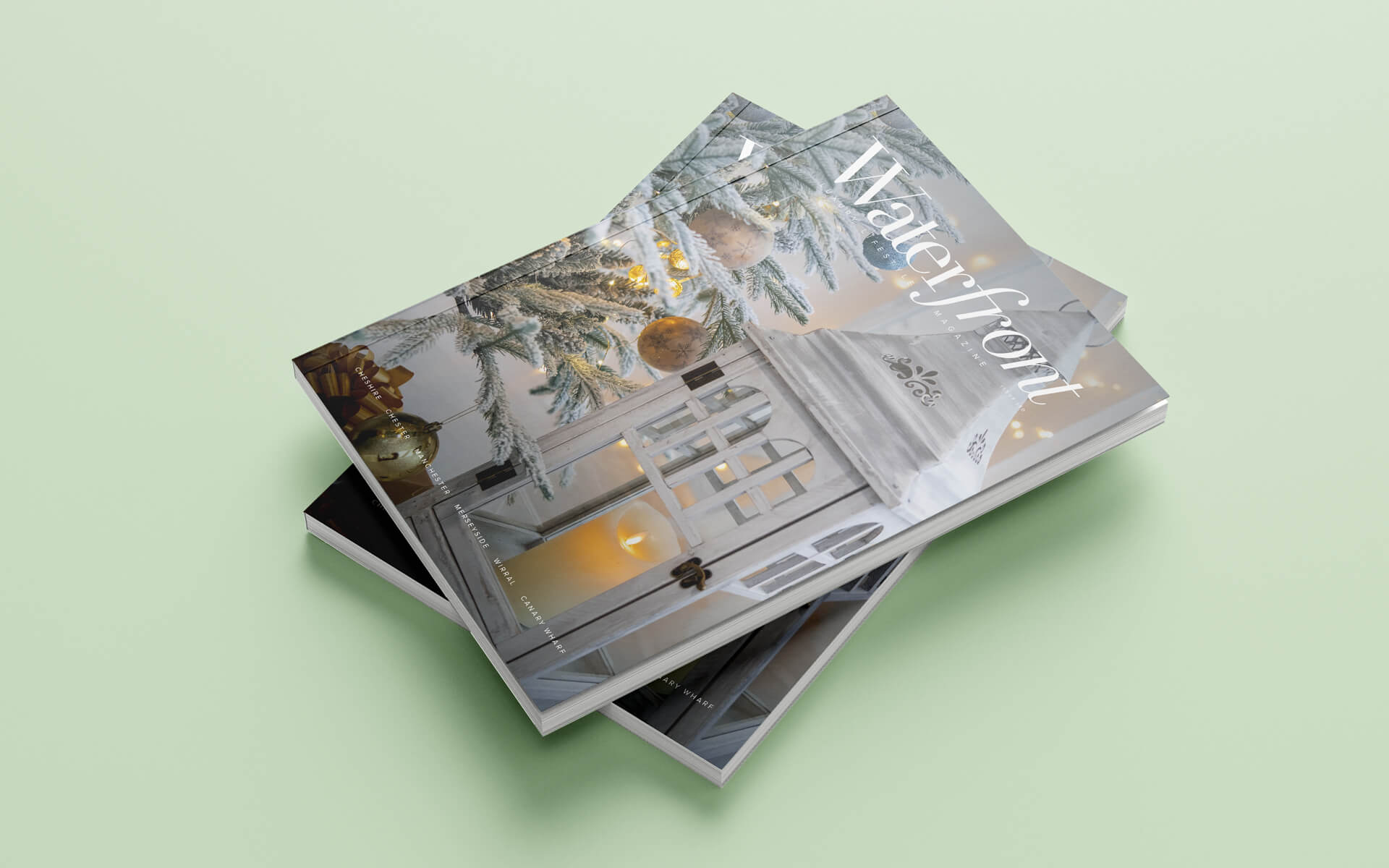
Matt, gloss, anti-scuff and soft-touch laminates are available, alongside decorative options including spot gloss UV varnish, foiling and embossing.

Print, Pack & Mail
If your books need to go somewhere after they’re printed, we can take care of that too.
Through our fully owned mailing house, The Mailing People, we can manage packing, fulfilment and mailing alongside production. Print moves directly between our sites without an additional delivery charge, while custom packing instructions, split deliveries and multiple destinations can all be accommodated.
For trade customers, our trade printing service keeps Bishops firmly in the background.
Book Printing Tips
A few decisions made before artwork is finalised can have a big impact on the finished book, production cost and turnaround time. Here are some of the things worth considering when you’re putting your specification together.
Calculate Your Book Spine Before Creating the Cover
Don’t estimate a perfect bound spine from the page count alone. Different papers have different thicknesses, so two 100-page books can require different spine widths.
Finalise your paper and pagination first and we’ll calculate the finished spine for you. This is particularly important if your cover artwork includes spine text or elements that need to align precisely across the front, spine and back cover.
How to Choose Paper for Book Printing
Start with the content and how the book will be used rather than choosing a paper by GSM alone.
Uncoated papers work particularly well for text-heavy books and provide a softer reading surface, while coated stocks can give photography, illustration and colour greater definition. Also consider opacity, shade and bulk: these affect readability, show-through, weight and the overall thickness of the finished book.
Choose a Cover That Suits the Book
A book designed to be read repeatedly needs different protection from one intended for occasional use.
For perfect bound books, we’d generally recommend a cover of at least 200gsm. Heavier stocks can give the book greater rigidity, while lamination provides additional protection against marking and handling.
The right specification depends on the size and thickness of the book too, so heavier isn’t automatically better.
Consider the Finished Book Weight
Paper choice doesn’t just affect how your book feels. Across a high page count, even a relatively small change in paper weight can make a significant difference to the weight of each finished copy.
That becomes particularly important if books are being posted individually or packed in larger quantities for distribution. If mailing is part of the project, tell us before you settle on the specification so we can take that into account.
Allow for Perfect Binding in Your Page Design
Perfect bound books don’t open completely flat. Important text, page numbers and other design elements therefore need sufficient clearance from the binding edge.
It’s particularly worth checking photography or graphics running across a double-page spread, where part of the image can disappear into the centre of the book.
Think About Format Before Defaulting to A4 or A5
Your book doesn’t necessarily have to follow a standard paper size.
A different finished size can make the publication more appropriate for its content, but it can also affect how efficiently we can produce it. Sometimes relatively small changes to the dimensions allow us to make better use of the printed sheet, potentially reducing paper waste and cost.
Talk to us before the artwork is built and we can advise on the most efficient options.
Match the Print Quantity to What You Actually Need
You don’t necessarily need to commit to a large print run to make book printing viable.
Digital printing makes smaller quantities practical, so consider how many copies you genuinely need now rather than automatically ordering extra for future use. If demand increases, another run can be produced.
For larger quantities, litho printing becomes increasingly economical. We have both options in-house, so we can compare the most appropriate route for your order.
Client Reviews
I just wanted to email you to thank you and your staff for an excellent job in both producing — magazine, the packaging and delivering the publication to a very high standard last week.
Helen G. Publisher

All good! The client is very happy, just received my copies also so thanks for that. Colours look great and they are already talking about doing another print run!!
Simon C. Print Professional
Lucy consistently goes above and beyond to ensure all our needs are met promptly and efficiently, and is always happy and a pleasure to deal with.
Danny B. Print Professional
This has got to be one of the best print jobs we have seen in quite some time! The print is sharp, the colours are good, the solids consistent, the binding and guillotining is neat. Well done Team Bishops!
Jane C. Print Professional
It really is SUPERB. The print quality, clarity, binding is great – and packaging in boxes was good too. A huge thank you. We really appreciate the effort [your team] put in over the holidays.
Caroline B. Super Yacht Publications
Why Choose Us

Customer Service
98% of customers say they would recommend us. We aim to pick up the phone within 3 rings, always answer emails, and deliver a straightforward, friendly and knowledgeable service.
Stable Prices
Our quotes are valid for a minimum 30 days and our low prices are consistently competitive. Printing 287.9 million sheets a year, our buying power is reflected in our prices. For regular publications, fixed pricing is available.
Quality
92% of customers rate us good or very good for quality. 70% of our customers are trade print professionals who trust us with their reputations and rely on our trade printing service.
Book Pricing
Trade prices available. Please enquire.
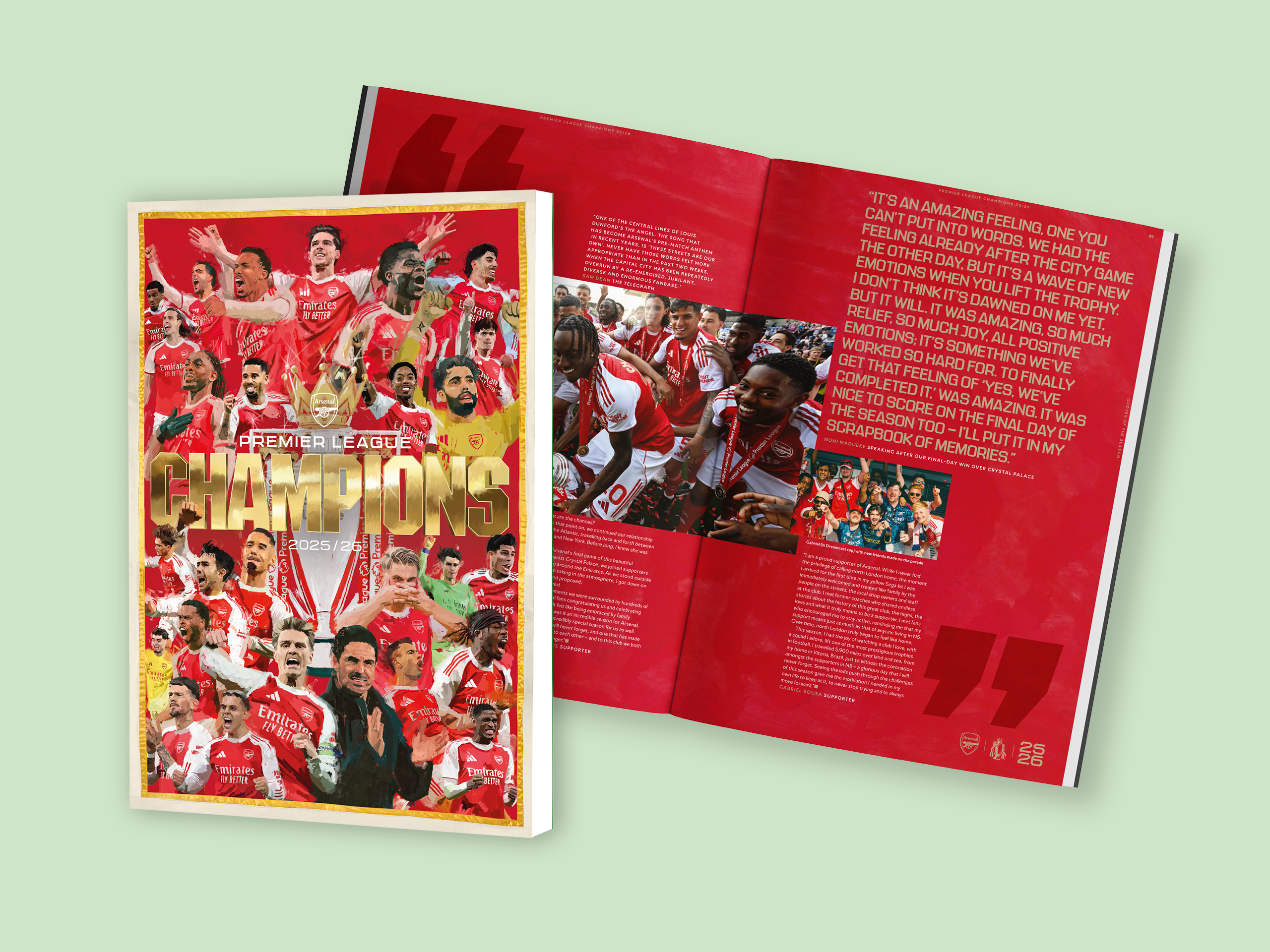
A4 Book Printing
From £695 for 250 copies
Based on perfect bound, 48pp + 4pp cover, printed on 100gsm Silk with a 250gsm Gloss cover.
Choose from a wide range of FSC® certified paper stocks.
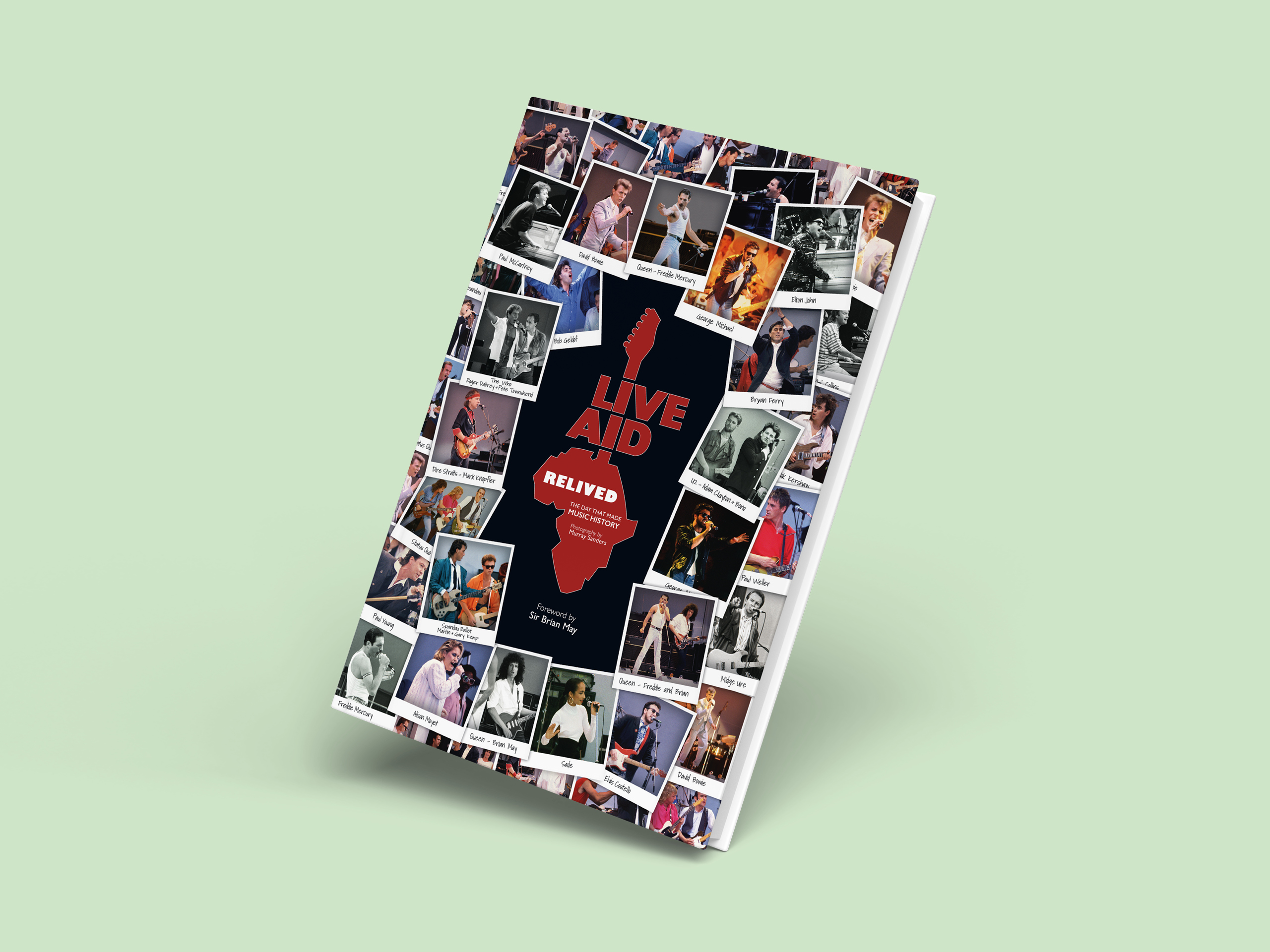
A5 Book Printing
From £443 for 250 copies
Based on perfect bound, 48pp + 4pp cover, printed on 100gsm Silk with a 250 gsm Gloss cover.
Range of finishes available, including: gloss lamination, matt lamination and spot gloss UV varnish.
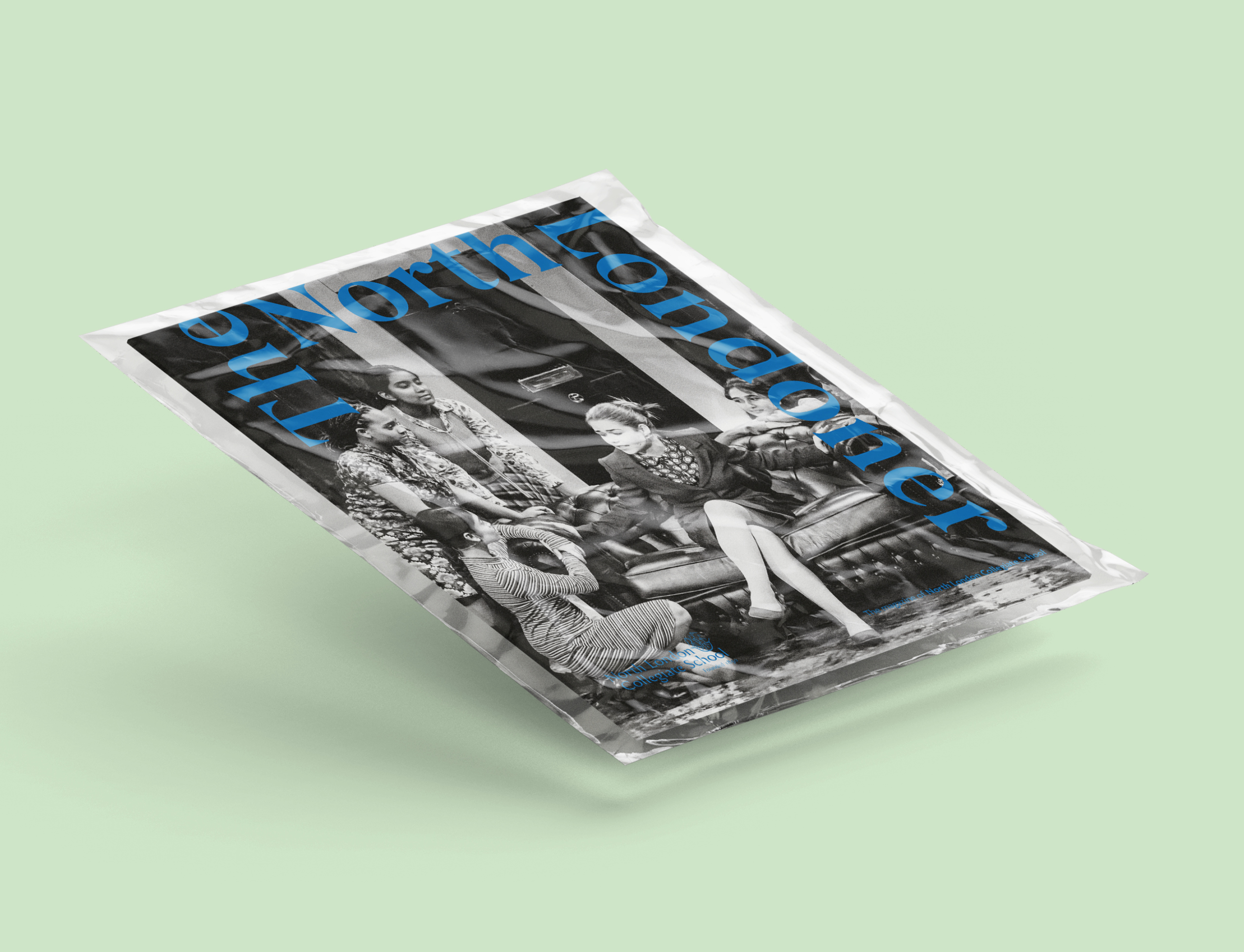
Book Printing & Mailing
Everything you need, all under one roof – including flyer insertion, paperwrap, polywrap and envelope enclosing. Our swift, high quality book printing and mailing service is easy to use, time efficient and includes low-cost postage solutions.
Whatever Your Book Calls For
Sometimes the specification is straightforward. Sometimes it isn’t.
You might want an unusual finished size, different paper stocks within the same book, special packing instructions or thousands of copies sent to multiple destinations.
That’s where it’s useful to talk to someone who understands how the job will actually be produced. Tell us what you’re trying to achieve and we’ll help find a practical way to print it.
Environmentally Sensitive Printing

FSC® Certified Paper
We use FSC®certified paper and hold FSC Chain of Custody certification FSC-C141091.

Solar Powered
We've installed 1,500 solar panels on our 85,000 sq ft roof for sustainable energy and another 100 at our mailing house.

Everything Recycled
We recycle all our waste: aluminium plates, metal ink tins, plastic ink cartridges, the ink itself, cardboard and plastic wrapping.
Book Printing FAQs
How much does it cost to print a book?
Book printing costs depend on the finished size, page count, quantity, paper, binding and cover specification.
Quantity also influences the most economical production method. Digital printing can be particularly cost-effective for smaller quantities, while litho printing can offer better economies of scale as volumes increase.
Send us your specification, even if it isn’t final, and we can help you explore the options.
What is the minimum number of books I can print?
We can produce very small quantities using our digital printing and binding equipment, including single-copy perfect bound work where the specification allows.
This can be useful for proofs, advance copies, highly specialised publications or projects where you simply don’t need hundreds of books.
What binding is best for a book?
Perfect binding is a popular choice because it produces the clean, square spine typically associated with paperback books.
The best binding method ultimately depends on your page count, paper choice, intended use and budget. If you’re unsure, talk to us before finalising the artwork and we’ll advise on the most appropriate option.
How many pages do I need for a perfect bound book?
There isn’t one minimum page count because the viability of perfect binding depends on the thickness of the finished spine rather than page count alone.
A bulky uncoated paper will produce a thicker book using fewer pages than a thinner coated stock. We routinely produce narrow perfect bound spines, so send us your proposed paper and pagination and we’ll check what’s achievable.
What paper is best for printing a book?
It depends on the content and how you want the book to feel.
Image-heavy books may benefit from coated paper that reproduces photography and colour particularly well. For text-heavy books, an uncoated stock can provide a softer appearance and comfortable reading experience.
Opacity, paper shade, bulk, weight and budget should all form part of the decision.
Can you print books in colour?
Yes. We produce full-colour books using both digital and lithographic printing.
Our HP Indigo digital presses provide high-quality colour reproduction for shorter runs, while our Heidelberg litho presses provide the capacity and colour control required for larger quantities.
Can you print bespoke book sizes?
Yes. Standard sizes aren’t your only option.
We can accommodate a wide range of book formats and bespoke requirements. It’s worth discussing your proposed dimensions with us before artwork is created because small changes in size can sometimes make much more efficient use of a printed sheet and reduce production costs.
Can you add special finishes to book covers?
Yes. Options include matt, gloss, anti-scuff and soft-touch lamination as well as decorative finishes such as spot gloss UV varnish, foiling and embossing.
We’ll help you choose finishes that suit the intended use and positioning of the book rather than adding cost where it isn’t needed.
Can you pack and distribute books after printing?
Yes. We can accommodate bulk deliveries, custom packing requirements, split deliveries and multiple destinations.
Through The Mailing People, our fully owned mailing house, we can also provide fulfilment and mailing where books need to be distributed individually.
Do you offer white label book printing for trade customers?
Yes. Around 70% of our customers are print professionals and we’re used to working behind the scenes on their behalf.
Our white label service includes plain packaging, anonymous labels, unmarked vehicles and a no-contact guarantee to help protect your client relationships.
Why choose Bishops Printers for book printing?
Book production brings together print, paper, binding and finishing, so having those capabilities under one roof matters.
Our litho and digital presses are supported by two specialist perfect binders and an experienced finishing team, giving us the flexibility to produce a wide variety of quantities and specifications.
You’ll also have people you can actually talk to. If you’re unsure about a paper, spine, finish, quantity or unusual requirement, ask us and we’ll help you find the most practical way forward.