Environment
We recycle everything we can at Bishops Printers. From aluminium plates and metal ink tins to plastic ink cartridges, left over ink, paper, cardboard, plastic wrapping and even wooden pallets.
Our Promise To You
Being careful with the environment is a responsibility we take seriously. That’s why we’re committed to continually improving our environmental performance in a number of ways:
- Ensuring we comply with existing and future environmental legislation. We are ISO 14001 certified (certificate number 11080-EMS-001).
- Identifying harmful environmental effects that arise from our business and seeking to reduce them.
- Re-using and recycling all materials wherever practical. Landfill waste comprises a maximum of 0.2% of waste collected.
- Providing environmental training for our staff and encouraging them to apply good environmental practice.
- Working and liaising with everyone who has an interest in our company and the environment (our customers, suppliers, our own staff and the environmental agencies).
- Discussing environmental issues regularly at the highest management levels.
- Encouraging our suppliers and customers to adopt the best possible environmental practices.
FSC® Certification
The Forest Stewardship Council® (FSC®) is a global, not-for-profit organisation dedicated to the promotion of responsible forest management worldwide. It defines standards based on agreed principles for responsible forest stewardship that are supported by environmental, social, and economic stakeholders. Because Bishops Printers holds FSC Chain of Custody certification (FSC-C141094), it means we’re able to supply FSC certified printed products.
Using the FSC® Logo on Your Print
The FSC has strict guidelines on how its logo appears on printed products, including size, placement, and treatment. Any artwork featuring the FSC logo must be added by an FSC certificate holder, and approved before printing.
Bishops Printers is able to able to do this for you, ensuring your printed materials comply with FSC requirements. Approval is typically completed within one working day, keeping your project on schedule. If you would like the FSC logo to appear on your printed materials, simply let us know.
Sustainable Thinking
Sustainable print starts with informed choices. From Carbon Balanced Paper and carbon offsetting options to recyled paper and responsible marketing, we can help you select the most appropriate solution for your project and environmental goals. Every campaign is different, but small decisions can make a meaningful difference.

Carbon Balanced Paper
Carbon Balanced Paper helps reduce the impact of printed communications by balancing the carbon emissions linked to the manufacture of the paper itself. This is managed through the paper supply chain via the World Land Trust, and when purchased is evidenced by an offical Carbon Balanced Paper certificate.
It does cost more than standard FSC® house paper stocks but gives you a simple way to reduce the impact of your paper choice if recycled paper is unsuitable for your project.

Carbon Offsetting
All print projects generate carbon emissions. Carbon offsetting helps balance these emissions by supporting World Land Trust (WLT) projects that capture carbon, protect habitats and promote environmental sustainability.
On request, we can work with WLT to offset the environmental impact of your printed communications. You’ll be issued with a WLT certificate confirming the emissions offset, and a logo carrying your project’s unique reference number, which we can apply to your print.

Recycled Paper
Recycled paper can use up to 60% less energy and 50% less water to produce than virgin fibre paper, reducing its environmental impact. However, it typically costs around 40% more and may differ slightly in texture, appearance and print performance.
Our premium recycled stock is suitable for both digital and litho printing. Available in uncoated, silk and gloss finishes, its smooth surface and high-white appearance make it ideal for brochures, magazines and marketing materials.
More Ways We Minimise Our Environmental Impact
Paper
Bishops’ house stock does not use chlorine in the bleaching process and is produced in European mills meeting the highest environmental standards.
Furthermore, by investing in Inpress Control technology, we’ve cut our litho printing set-up paper waste by a third and all paper waste is recycled.
Aluminium plates
We use Fujifilm Superia ZX aluminium plates which use processless thermal technology are ll used plates are collected by our licensed waste carrier and are recycled. No plates are stored and they are all remade, therefore reducing the use of chemicals to clean and reuse them.
CTP (Computer-to-Plate)
All plates are produced using our Computer-to-Plate machines, thus reducing the use of film and the chemicals required for them.
Ink & Ink Tins
We use vegetable-based lithographic inks as an alternative to traditional petroleum-based inks. These inks can contain lower levels of volatile organic compounds (VOCs), helping to reduce the release of potentially harmful emissions during the printing process.
Our ink tins are also crushed and recycled after use, ensuring that both materials and waste are managed responsibly wherever possible.
Plastics
Wherever possible we use paper-based packaging instead of plastics. All plastic ink containers and plastic protective wrap from paper pallets is collected and recylced
Waste
Waste is segregated, recycled and reused. All chemicals are collected by J&G Environmental, accredited waste disposal experts. They then dispose of them in the most environmentally-friendly way.
Lighting
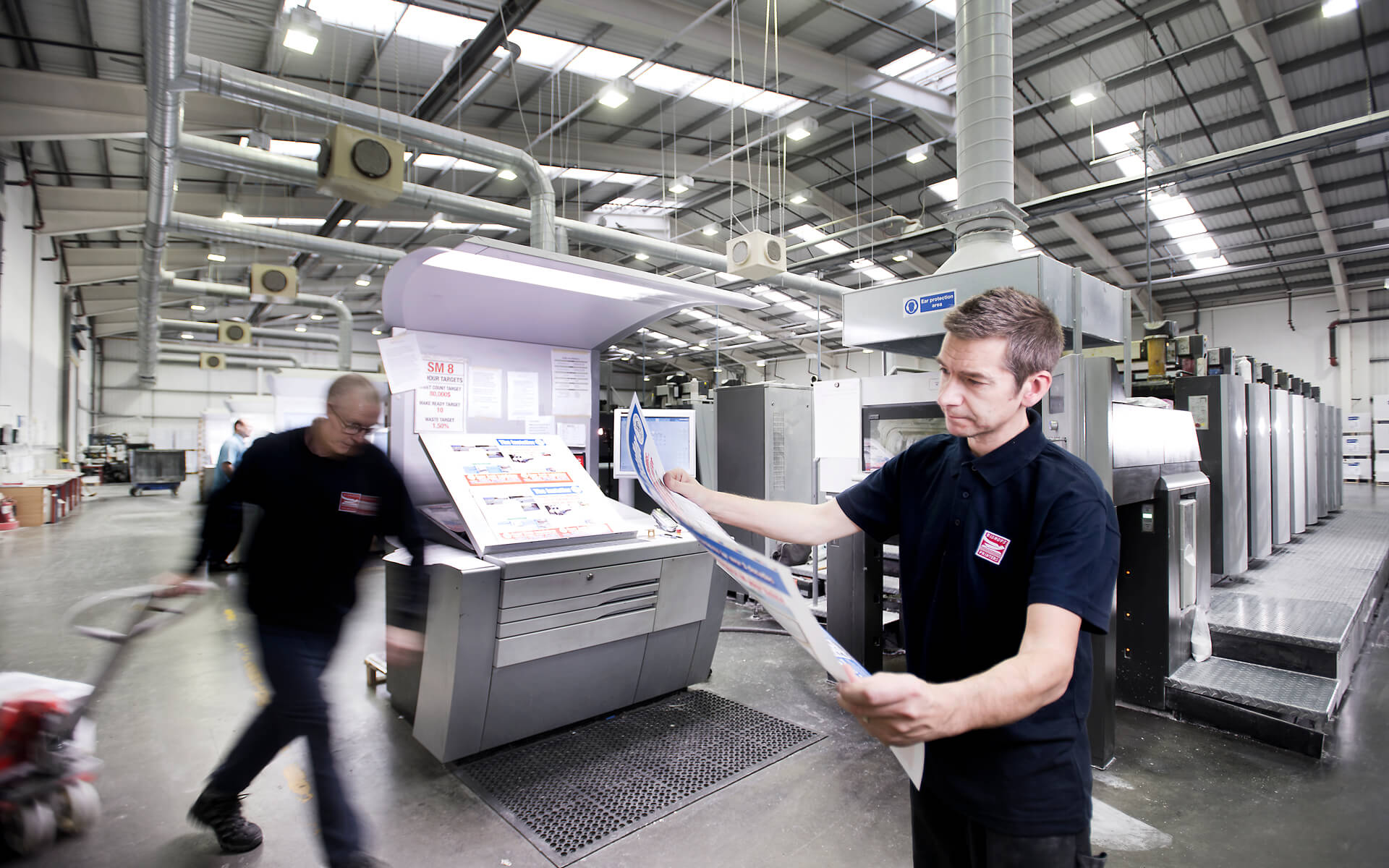
We have replaced our fluorescent and halogen factory lights with LED lighting, reducing our energy consumption by up to 40% and our carbon footprint by 462,826 Kg per year
Sustainable Energy
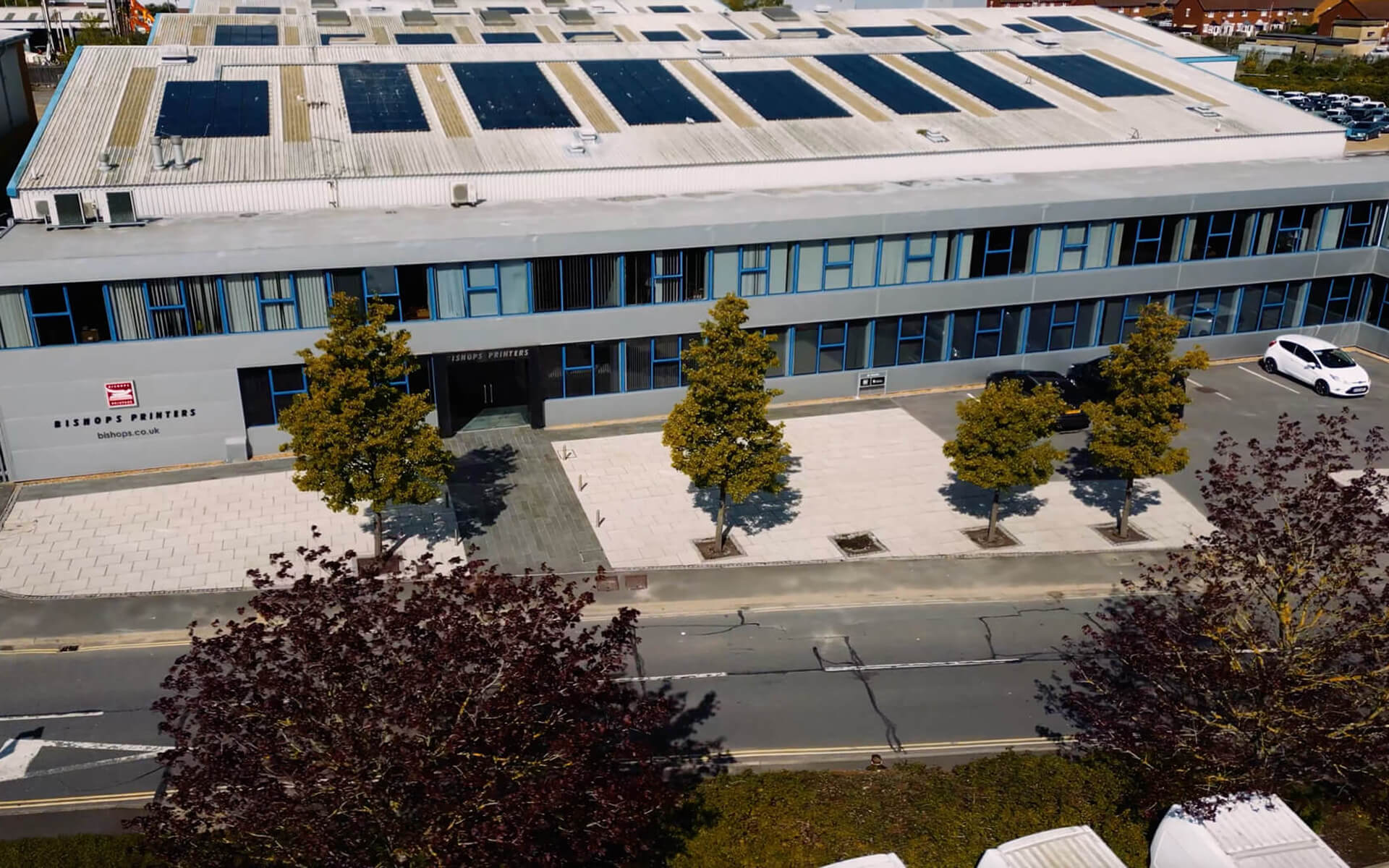
More than 1,500 solar panels cover our 85,000 square foot roof in a 250 KW array, reducing our use of fossil fuels and our carbon footprint by offsetting 2,842 tonnes of CO2 per year.
We continue to reduce our energy consumption by upgrading to energy efficient machines as part of our annual capital investment programme, and by installing a voltage optimiser which restricts our energy consumption.
Other
Our plate-making machinery uses water technology to reduce the use of chemicals. When purchasing our latest 10-colour presses, we chose to invest in Inpress Control, which cuts our start-up waste by one third. As existing machines are replaced, we will continue to minimise waste by purchasing Inpress Control, which is an optional extra.
Recycled Paper – The Facts
Recycling has its limits
Recycled fibres cannot be reused indefinitely, making virgin fibre from sustainably managed forests essential to the paper cycle.
Real savings per tonne
Every tonne of recycled paper can save around 36,500 litres of water and 2.5 cubic metres of landfill space.
Lower carbon impact
Recycling one tonne of paper can reduce greenhouse gas emissions by around one tonne of carbon equivalent
Paper is highly recycled
Paper is one of the most widely recycled materials on the planet. In Europe, 75% of paper is recycled.
A lower-impact choice
Using recycled fibre helps reduce reliance on virgin materials, easing pressure on forests and supporting more responsible resource use.
Sustainable Group Thinking
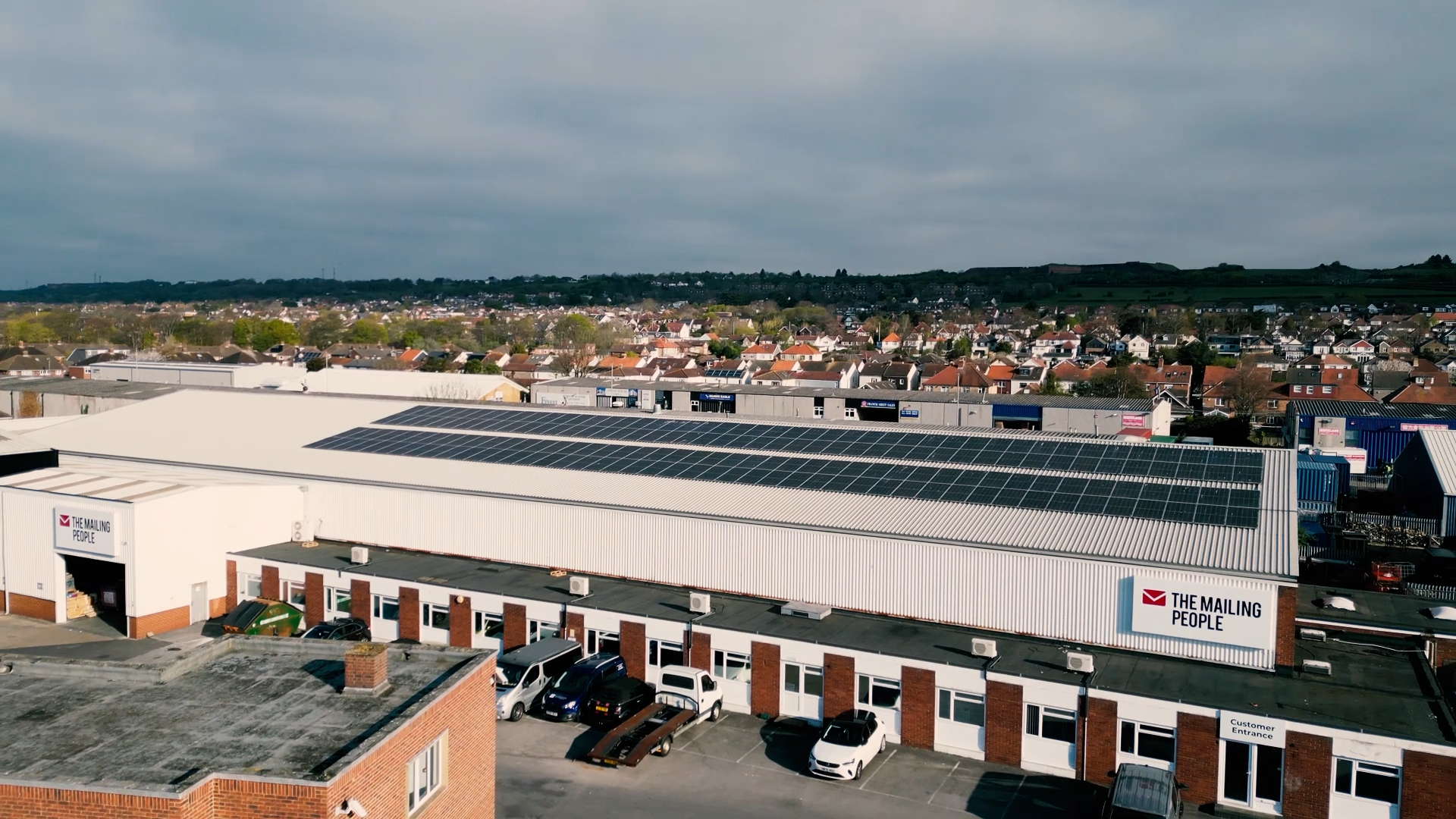
Our fully owned mailing house, The Mailing People, have invested in energy saving digital presses certified to the highest EPEAT® Gold and Energy Star standards. Combined with over 100 rooftop solar panels it means their print room now runs entirely on solar energy.
Free Data Audit
Every undelivered mail piece wastes paper, print and postage. The Mailing People’s free data audit helps identify invalid or outdated records before printing, reducing waste and improving campaign performance. By mailing only to valid contacts, you can lower the environmental impact of your campaigns while reducing print and distribution costs. For large or repeat mailings, the savings can be substantial.
Print on Demand
Over-ordering is one of the biggest sources of waste in print, often resulting in surplus materials that are never used. Technical advances mean that we can print up to 10,000 letters, leaflets and flyers quickly and cost effectively, minimising excess stock, storage and waste. With no make-ready sheets required, paper use is reduced from the outset.
Paper Is Precious
Small format choices can make a big difference to paper waste. Our Bishops B5 size, 245mm x 172mm, is designed to make better use of a B2 sheet than standard B5, allowing more pages to fit efficiently on press and reducing unnecessary offcuts.
By planning print around the sheet size, format and mailing method, we can help you achieve more with less material and reduce the environmental impact of your campaign.
For example, designing a piece as a naked mailer removes the need for an envelope, cutting down on paper use while also delivering instant, unavoidable visibility for your brand.
We don’t believe design, print or mailing should cost the Earth. If you feel the same way and value affordable, high quality design, print and mailing get in touch today.
FAQs
Is print environmentally friendly?
Yes, print can be a sustainable marketing and communication channel when it’s produced responsibly.
Paper is one of the most widely recycled materials in the UK, and many printed products can be produced using responsibly sourced paper, recycled materials and environmentally conscious production methods. The environmental impact of print often comes down to the choices made throughout the supply chain, from paper sourcing and waste management through to energy use and distribution.
Do you use FSC® certified paper?
Yes. Bishops Printers holds FSC® Chain of Custody certification (FSC-C141094) and uses FSC certified paper. Customers wishing to use the FSC logo on printed materials can also benefit from our support with the FSC trademark approval process, subject to the relevant certification requirements.
Can the FSC® logo be added to my printed materials?
Yes. If your project is printed on eligible FSC® certified paper, we can arrange for the FSC® logo to be added to your artwork, subject to nessary approvals.
The logo is governed by strict usage rules, so it must be approved by a certified organisation such as the Soil Association before printing.
What happens to your print waste?
All waste is segrated and handled by appropriate licensed carriers to minimise the amount sent to landfill. This includes paper, cardboard, aluminium printing plates, ink tins, plastic containers and packaging materials.
Do you offer recycled paper stocks?
Yes. Our house recycled stock is available up to 350gsm, and is suitable for both litho and digital printing.
However, recycled paper isn’t always the right choice for every budget or application. If sustainability is important to your organisation, we can discuss a range of options and help you balance environmental considerations with cost, print quality and performance.
What is carbon balanced paper?
Carbon balanced paper is paper where the carbon emissions associated with its production have been measured and offset through environmental projects, such as those verified by the World Land Trust.
It can be a practical option for organisations looking to reduce the environmental impact of their printed communications without changing the appearance or performance of the finished product.
How do you reduce waste during printing?
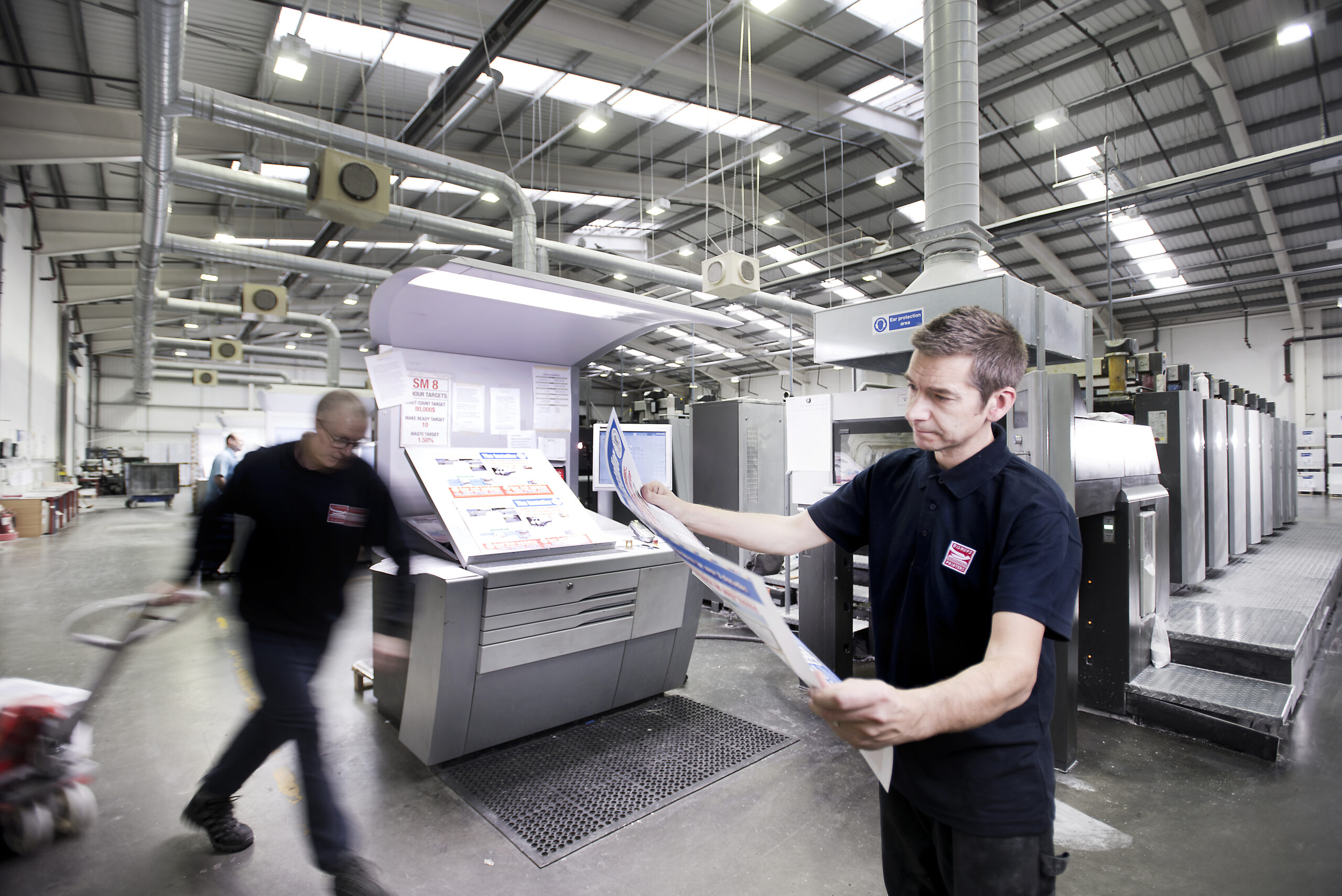
We’ve taken the decision to invest in the optional extra of Inpress Control on our Heidelberg presses. This reduces make-ready paper waste by one third. Additionally, our continual invest in equipment and processes improve efficiency and minimise material waste.
Do you generate your own renewable energy?
Yes. We’ve installed 1,500 solar panels on the roof of our Walton Road factory, and a further 100 panels at The Mailing People, our fully owned mailing house. On a sunny day, The mailing people can support 80% of its energy needs through solar power, helping us as a group to reduce our reliance on grid electricity, and lowering the overall carbon footprint of our operation.
Alongside renewable energy generation, we continue to invest in more energy-efficient equipment and infrastructure throughout the business.
Can you help reduce the environmental impact of my mailing campaign?
Yes. Through our fully owned company, The Mailing People, we can help identify opportunities to reduce waste before a campaign is produced.
This can include data audits to identify duplicate, outdated or invalid records, and different fulfilment options to avoid unnecessary printing and postage, all while improving the effectiveness of your campaign.
Can you help us make more sustainable print choices?
Absolutely. Sustainability choices aren’t a one size fits all solution. Once we undertand what you want to achieve, we can explore and cost the options that best suit your needs.
Sometimes small changes, such as selecting a different paper stock, reducing page count or choosing a more efficient format, can significantly reduce material usage, postage costs and environmental impact. Our team can help you explore the options and make informed decisions based on your objectives and budget.
Why does sustainability matter when choosing a printer?
A printer’s environmental approach can influence everything from the materials used in your project to the amount of waste generated during production.
Choosing a printer that invests in responsible sourcing, waste reduction and energy efficiency can help support your own sustainability goals while ensuring you continue to receive high-quality printed materials.
Is print environmentally friendly?
Yes, print can be a sustainable marketing and communication channel when it’s produced responsibly.
Paper is one of the most widely recycled materials in the UK, and many printed products can be produced using responsibly sourced paper, recycled materials and environmentally conscious production methods. The environmental impact of print often comes down to the choices made throughout the supply chain, from paper sourcing and waste management through to energy use and distribution.
Do you use FSC® certified paper?
Yes. Bishops Printers holds FSC® Chain of Custody certification (FSC-C141094) and uses FSC certified paper. Customers wishing to use the FSC logo on printed materials can also benefit from our support with the FSC trademark approval process, subject to the relevant certification requirements.
Can the FSC® logo be added to my printed materials?
Yes. If your project is printed on eligible FSC® certified paper, we can arrange for the FSC® logo to be added to your artwork, subject to nessary approvals.
The logo is governed by strict usage rules, so it must be approved by a certified organisation such as the Soil Association before printing.
What happens to your print waste?
All waste is segrated and handled by appropriate licensed carriers to minimise the amount sent to landfill. This includes paper, cardboard, aluminium printing plates, ink tins, plastic containers and packaging materials.
Do you offer recycled paper stocks?
Yes. Our house recycled stock is available up to 350gsm, and is suitable for both litho and digital printing.
However, recycled paper isn’t always the right choice for every budget or application. If sustainability is important to your organisation, we can discuss a range of options and help you balance environmental considerations with cost, print quality and performance.
What is carbon balanced paper?
Carbon balanced paper is paper where the carbon emissions associated with its production have been measured and offset through environmental projects, such as those verified by the World Land Trust.
It can be a practical option for organisations looking to reduce the environmental impact of their printed communications without changing the appearance or performance of the finished product.
How do you reduce waste during printing?
We’ve taken the decision to invest in the optional extra of Inpress Control on our Heidelberg presses. This reduces make-ready paper waste by one third. Additionally, our continual invest in equipment and processes improve efficiency and minimise material waste.
Do you generate your own renewable energy?
Yes. We’ve installed 1,500 solar panels on the roof of our Walton Road factory, and a further 100 panels at The Mailing People, our fully owned mailing house. On a sunny day, The mailing people can support 80% of its energy needs through solar power, helping us as a group to reduce our reliance on grid electricity, and lowering the overall carbon footprint of our operation.
Alongside renewable energy generation, we continue to invest in more energy-efficient equipment and infrastructure throughout the business.
Can you help reduce the environmental impact of my mailing campaign?
Yes. Through our fully owned company, The Mailing People, we can help identify opportunities to reduce waste before a campaign is produced.
This can include data audits to identify duplicate, outdated or invalid records, and different fulfilment options to avoid unnecessary printing and postage, all while improving the effectiveness of your campaign.
Can you help us make more sustainable print choices?
Absolutely. Sustainability choices aren’t a one size fits all solution. Once we undertand what you want to achieve, we can explore and cost the options that best suit your needs.
Sometimes small changes, such as selecting a different paper stock, reducing page count or choosing a more efficient format, can significantly reduce material usage, postage costs and environmental impact. Our team can help you explore the options and make informed decisions based on your objectives and budget.
Why does sustainability matter when choosing a printer?
A printer’s environmental approach can influence everything from the materials used in your project to the amount of waste generated during production.
Choosing a printer that invests in responsible sourcing, waste reduction and energy efficiency can help support your own sustainability goals while ensuring you continue to receive high-quality printed materials.